

Marquette: The Hospital Packed on a Troopship

The Stories of Corporals Pettit and Mirfin, Private Nicholson, and Orderly Stone No. 1 Stationary Hospital was the first New Zealand Expeditionary Force hospital deployed in World War I. Staffed by enthusiastic and selfless personnel adamant at being as close to the action as possible to tend to the wounded, it was bristling with the latest innovations, from electric dynamo driven lights to X-ray units. Sailing aboard the troopship Marquette when it was fatally struck with a torpedo, some of this vital equipment and cargo was lost at sea. Those aboard (including No. 1 Stationary Hospital nurses) now found themselves in a frantic struggle to get through the destruction to safety, and to tend to their own wounds.

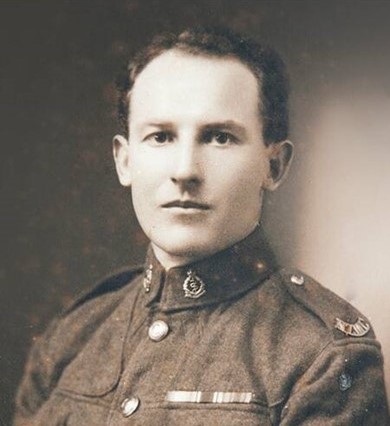
Two men, Corporals Pettit and Mirfin (pictured), despite knowing the ship was going down fast, stayed below decks and lowered ropes to those who were cut off from safety by the explosion of the torpedo. These two men saved at least three lives before getting themselves to safety; three lives that would have surely perished without them. They were later formally commended and recognised for their actions by General Godley.

An object that survived the sinking of the Marquette is the wristwatch of Private Claude Nicholson of Invercargill, fatefully stopped at twenty past nine, and is on display at the National Army Museum Te Mata Toa.

We’d Love to Hear From You

From museum visits to research support, our team is ready to assist you on your journey through New Zealand’s military history.