
Anzac Day

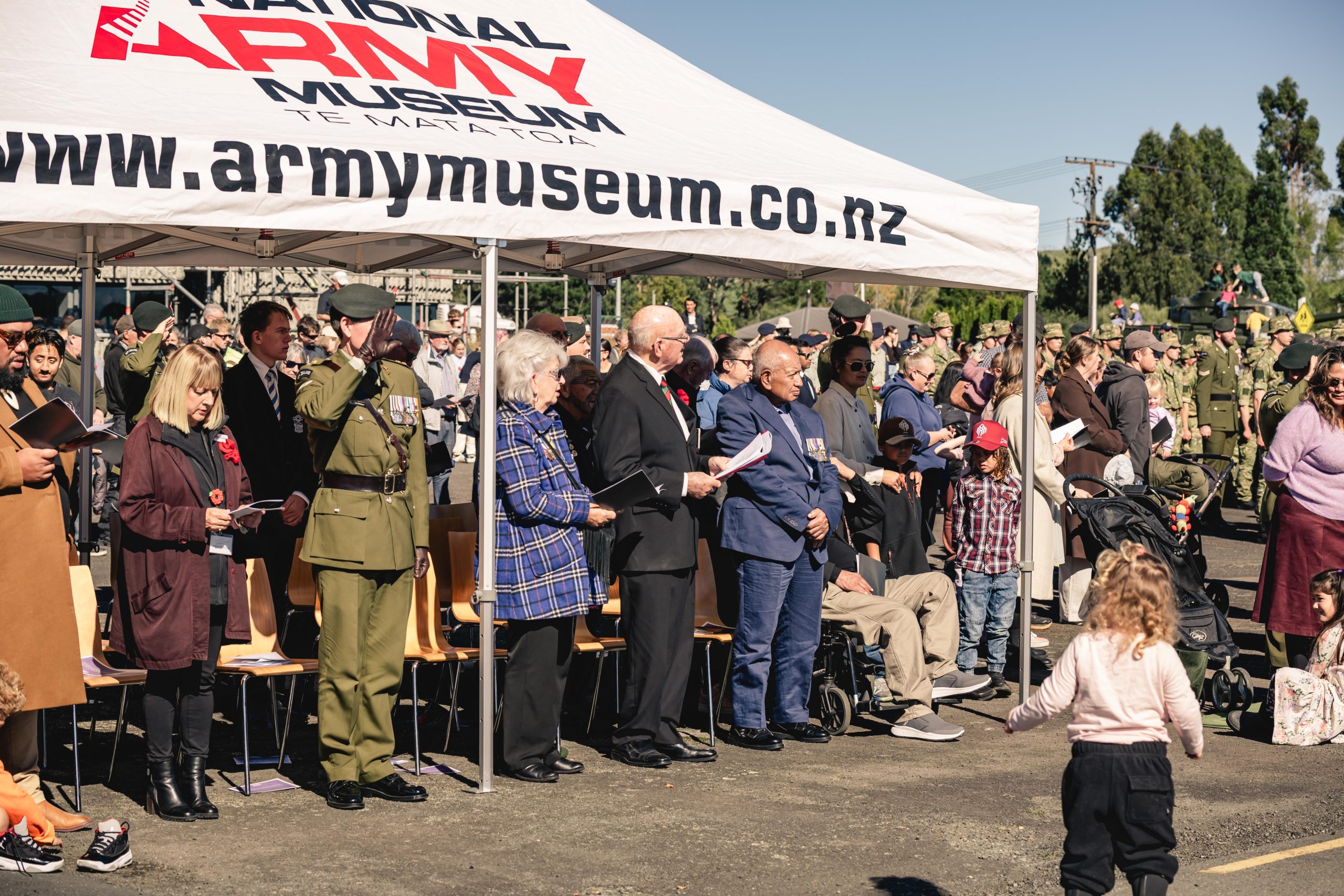
This year we stood together to remember and honour the men and women who served our country in times of conflict, and in particular those who gave their lives in the service of our nation.

11.00am Anzac Day Memorial Service – 25 April 2026

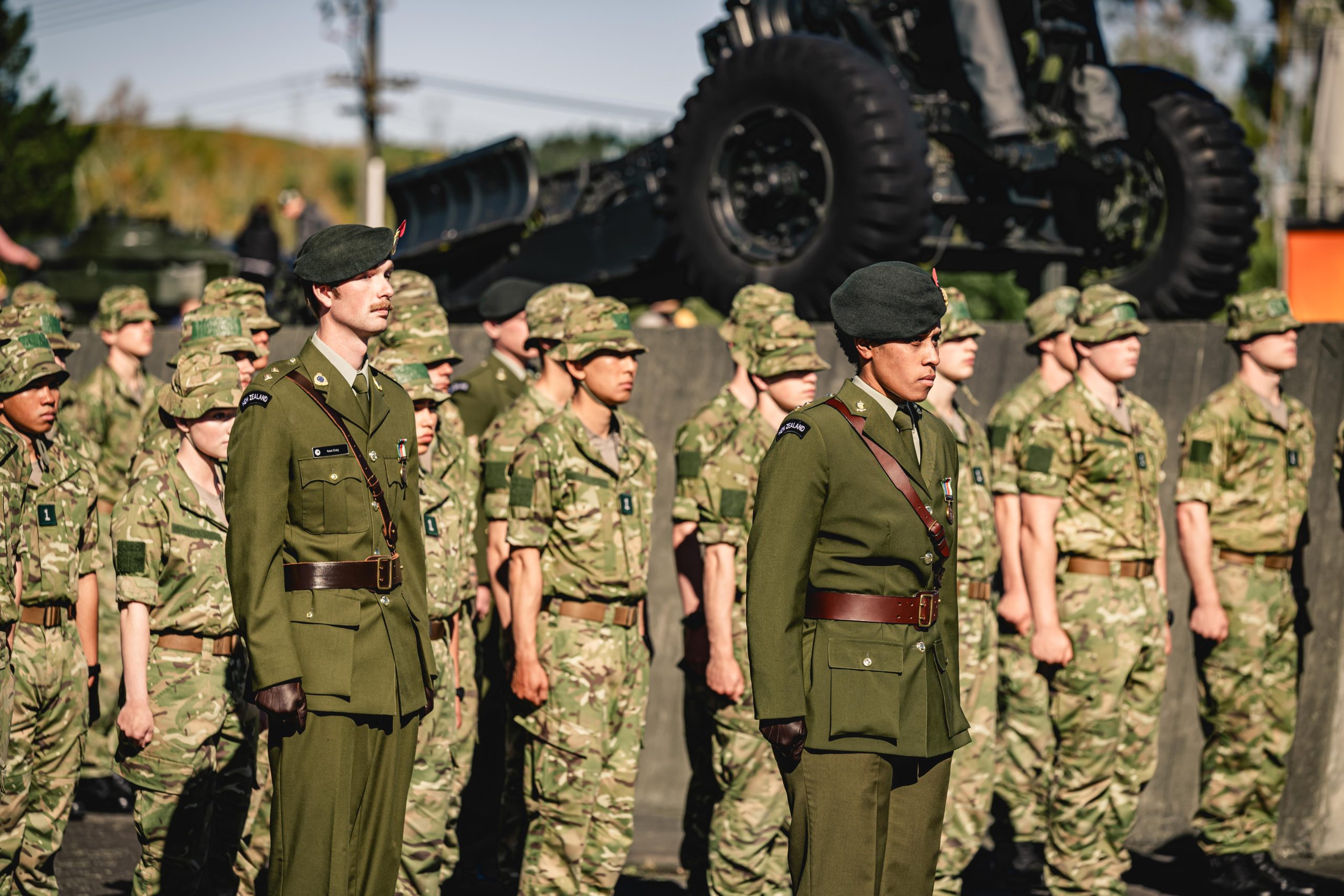
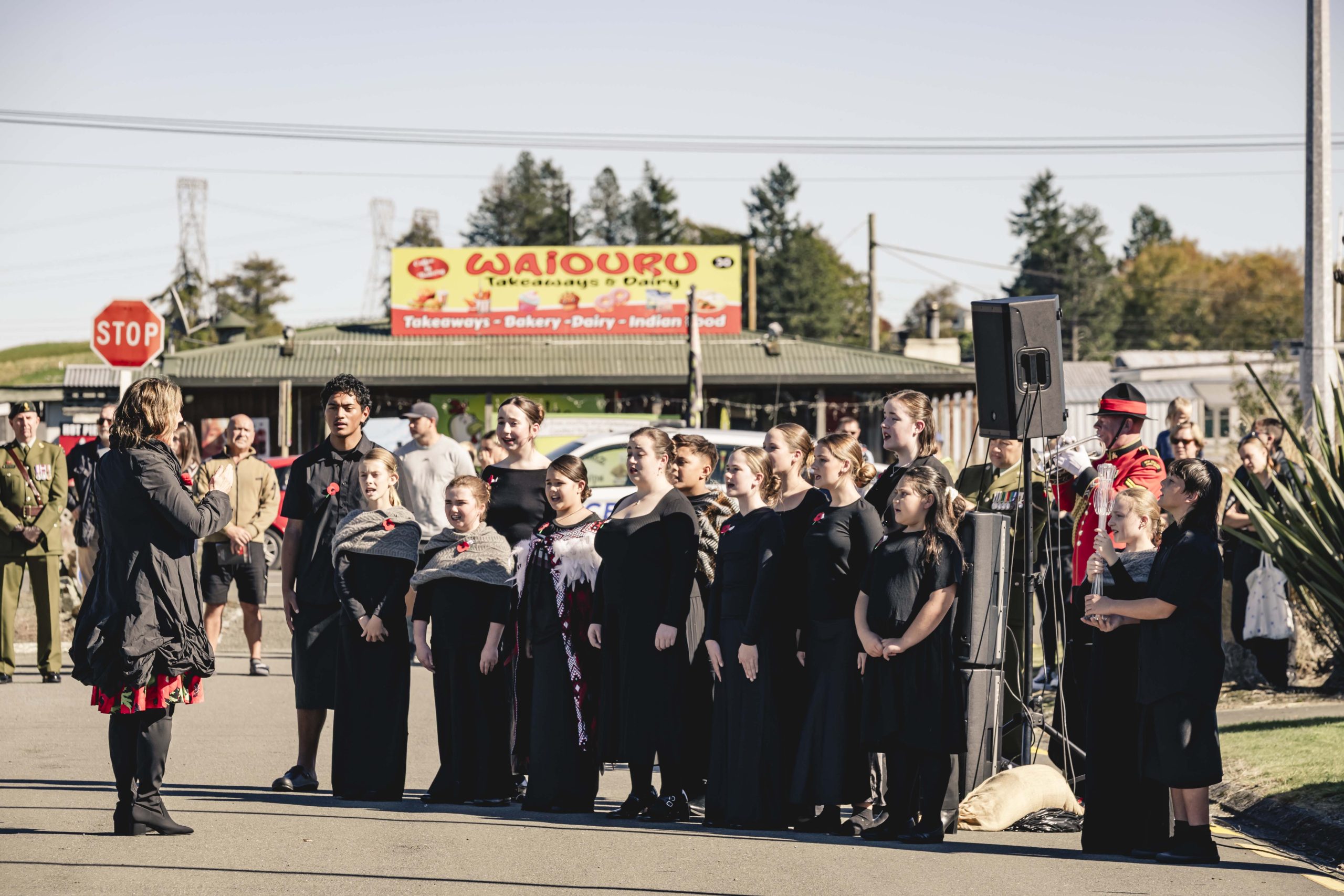
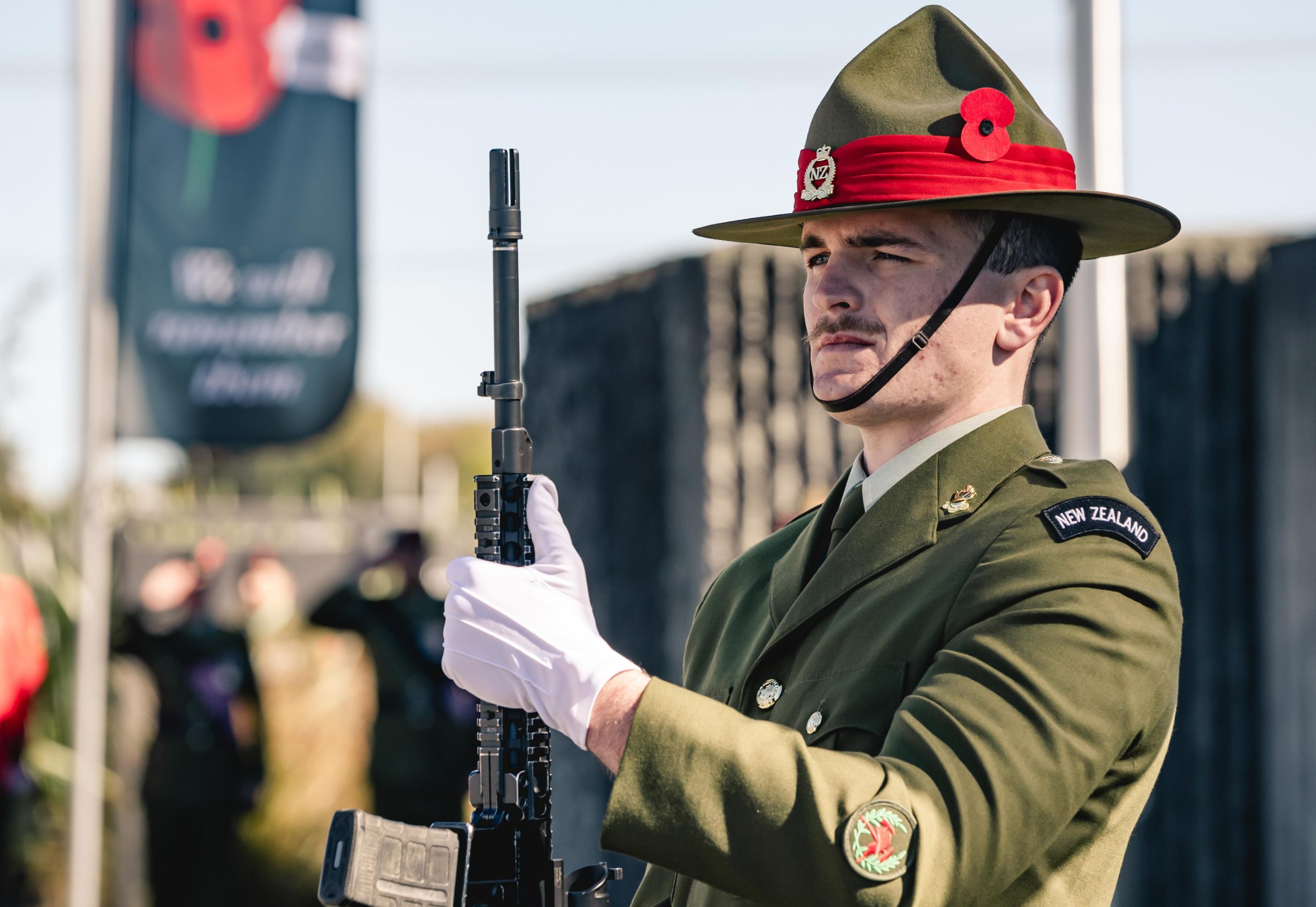
The service was supported by the New Zealand Army, featuring a catafalque guard, soldiers on parade, and a bugler from the NZ Army Band. We were also treated to a performance by the Kotuku International Youth Choir who sang their Anzac Hope Anthem.

As a Memorial Museum, remembrance is at the heart of what we do every day. However, Anzac Day holds a special significance—one of the most important days of the year for both the Museum and the New Zealand Army.
Anzac Day

The failure of the Gallipoli Campaign condemned New Zealanders to 3 more years in the mud and slaughter of the Western Front… But never again in the First World War did New Zealand stand centre stage or hold – even for a moment – the power to influence directly the course of world events as it did on Chunuk Bair in August 1915. For that brief moment the “Kiwis” were able to glimpse their objective – the Dardanelles. For those few hours, there was a faint prospect of success. For a brief moment in the campaign, the fate of Turkey rested unknowingly on the shoulders of the men from the smallest nation taking part in the war.

But it was not to be, and the campaign has been deemed a disaster. Today we commemorate not a military triumph, but the more humbling triumph of human courage. We also acknowledge a lasting legacy.

The legacy of the Gallipoli Campaign is more that just the cost, that stood at 2,721 dead and 4,752 wounded.

Firstly, despite the “ANZAC” label, Gallipoli cemented our identity as New Zealanders. The campaign marked the beginning of a national New Zealand consciousness. It gave birth to a realisation that we were different; that we were distinctive.  As one British officer noted at the time:

“They are mature men, these New Zealanders, quiet, shrewd and sceptical. They have none of the tired patience of the English, nor that automatic discipline that never questions orders to see if they make sense. Moving in a body, detached from their homeland, they remained quiet, aloof and self-contained. They had a confidence in themselves… knowing themselves as being as good as the best in the world could bring against them.”

Secondly, as part of its legacy, it gave Anzac Day to New Zealand and Australia. The institution of Anzac Day – the day of the landing – ensured that the campaign would retain a special significance in both countries. Today, it continues to enjoy unusual reverence in a country that is not always forthcoming in expressing its emotion. It has grown in popularity, and has come to celebrate values that many New Zealanders consider either distinctive or admirable about their nation – mateship, unity, courage, self-sacrifice, loyalty – as well as the traditional commemoration of the day itself which has now adopted the atmosphere of national unity.

It is hoped that Anzac Day will continue to be both celebrated and commemorated by each succeeding generation. Although it may be re-defined in the future, it will still be marked on 25 April each year, as a tribute to service and sacrifice.

We’d Love to Hear From You

From museum visits to research support, our team is ready to assist you on your journey through New Zealand’s military history.